

Key Takeaways
- Some studies suggest BioDensity can lead to measurable bone density improvements of around 7-8% in the hip and spine after one year with once-weekly sessions. Individual results may vary.
- Traditional weight training requires 2-3 sessions per week for significant bone health benefits, creating time and intimidation barriers for many women over 40
- A study showed that 12 weeks of BioDensity training led to strength gains of 22-51% in a group of older women (average age 82)
- Dublin's SPRY 365 combines BioDensity with Power Plate technology to maximize results while eliminating gym intimidation
For women over 40, maintaining bone health becomes critically important as estrogen levels decline rapidly and the risk of osteoporosis rises. Estrogen declines significantly as menopause approaches (approximately age 45-55), causing menstrual changes and other symptoms. Testosterone declines less rapidly from the 30s (halving by menopause), sees its levels drop around 25% between ages 40 and 60. While traditional weight training has long been the gold standard for building bone density, emerging research on BioDensity technology suggests a promising alternative that delivers comparable or superior results in a fraction of the time.
Studies Suggest 7% Hip and Spine Bone Density Gains After One Year
Recent clinical data reveals remarkable bone density improvements from BioDensity training. Some clinical data suggests that using BioDensity once weekly may lead to an average bone density increase of around 7% in the hip and around 7.7% in the spine after one year. These results significantly exceed typical outcomes from pharmaceutical interventions and traditional exercise protocols. The bone-building power comes from BioDensity's ability to deliver what researchers call "osteogenic loading" - forces that stimulate bone formation at levels far beyond what most people can achieve through conventional exercise. This loading triggers the body's natural bone remodeling process, encouraging new bone growth while maintaining existing bone structure. Some healthcare providers using BioDensity have reported seeing T-score improvements of around 0.6 points within 12 months of consistent use. SPRY 365 in Dublin, Ohio, offers BioDensity training as part of their bone health program designed specifically for women over 40.
BioDensity's Osteogenic Loading Explained
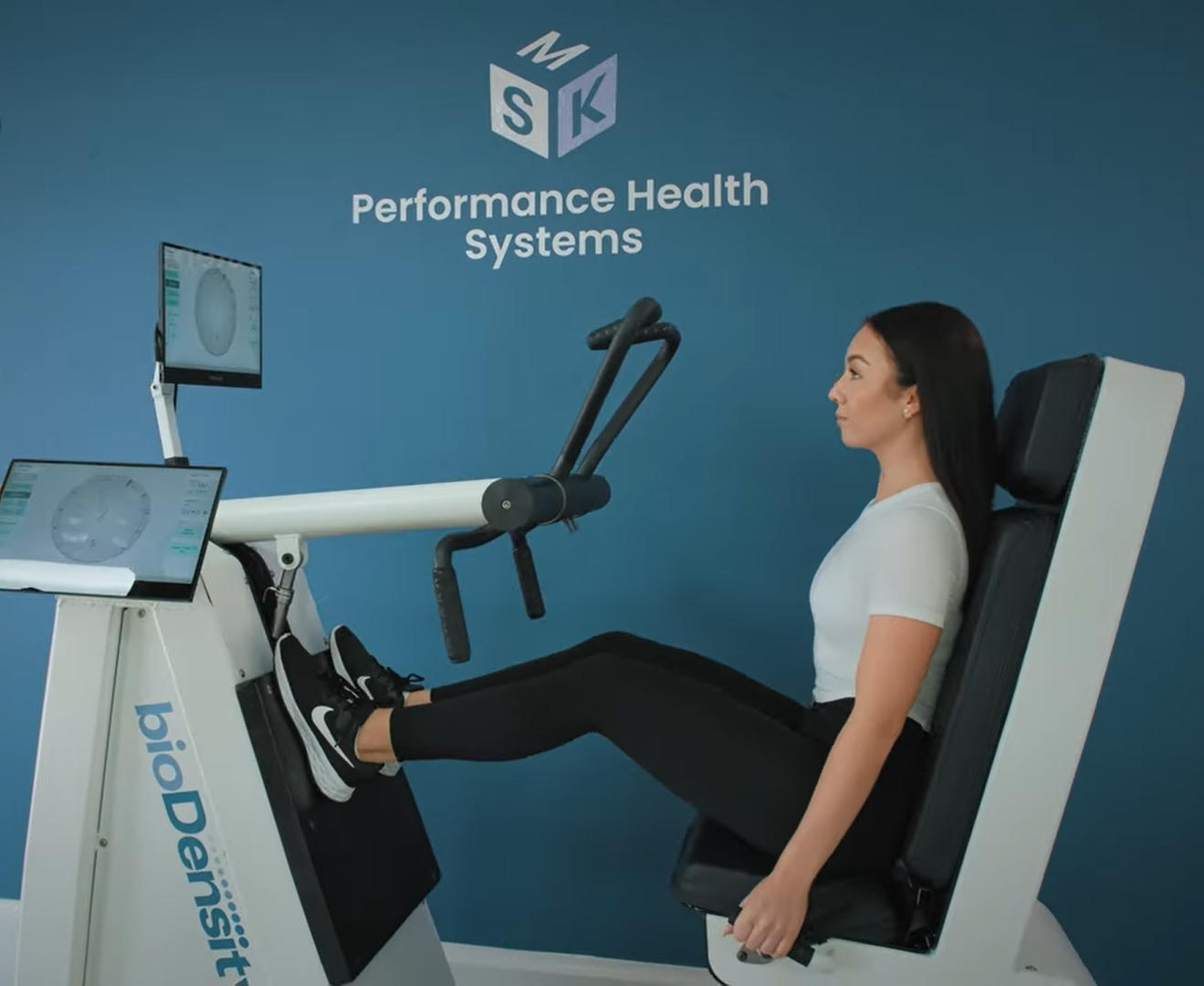
BioDensity operates on a fundamentally different principle than traditional weight training. Instead of moving weights through multiple repetitions, the system uses four specific isometric contractions that allow users to generate forces equivalent to multiples of their bodyweight safely.
BioDensity Utilizes 4 Isometric Contractions That Allow Users to Safely Generate Forces Equivalent to Multiples of Their Bodyweight
The BioDensity system focuses on four key movements: leg press, chest press, core pull, and vertical lift. Each exercise positions the user in their strongest biomechanical position, allowing them to generate maximum force without the risk of injury associated with free weights or complex movements. During a typical session, users perform maximum effort contractions for just 5 seconds per exercise. This brief but intense loading stimulates bone formation more effectively than longer, moderate-intensity workouts. The machine's pneumatic resistance system automatically adjusts to the user's force output, making it impossible to exceed safe loading limits. Anecdotal evidence suggests that users may be able to generate forces up to 169% higher than their initial baseline after approximately 8 months of BioDensity training. This dramatic increase in force production translates directly into improved bone density and functional strength.
BioDensity Can Be a Safe Option for Individuals with Osteoporosis and Joint Replacements, But Consulting with a Physician Is Recommended
Unlike high-impact exercises that can pose fracture risks for those with compromised bone density, BioDensity's controlled, supported movements make it accessible to individuals with osteoporosis, osteopenia, and even joint replacements. The static nature of the exercises eliminates the dynamic forces that can cause injury in traditional weight training. However, medical clearance remains necessary. Physicians can assess individual risk factors and determine appropriate loading parameters based on bone density scans, medical history, and current medications. Many healthcare providers now recommend BioDensity as a non-pharmacological intervention for bone health management.
Traditional Weight Training Benefits and Barriers
Traditional resistance training has decades of research supporting its effectiveness for bone health. Meta-analyses consistently show that properly designed strength training programs can improve or maintain bone mineral density at the spine and hip, particularly when combined with adequate calcium and vitamin D intake.
Achieving Significant Results Often Requires a Considerable Time Commitment with Multiple Sessions Per Week
Effective bone-building protocols typically require 2-3 weekly sessions lasting 30-60 minutes each. Programs must include progressive loading, meaning weights gradually increase over time to continue stimulating bone formation. This progression demands consistent attendance and careful tracking of workouts. The time investment extends beyond the workout itself. Travel to and from the gym, changing clothes, equipment setup, and post-workout recovery add significant time to each session. For busy women juggling career and family responsibilities, this commitment often proves unsustainable.
The Complexity of Some Weight Training Techniques and Feelings of Intimidation Can Deter Women
Effective bone-building exercises like deadlifts, squats, and overhead presses require proper technique to be both safe and effective. Learning these movements takes time and often requires professional instruction. Many women report feeling intimidated by gym environments, complex equipment, and the perception that strength training is primarily for younger, more athletic individuals. Group fitness classes, while more approachable, often lack the progressive loading necessary for significant bone density improvements. Generic programs cannot account for individual limitations, medical conditions, or specific bone health needs.
Spinal Loading and Heavy Weights Can Raise Safety Concerns If Proper Form and Technique Are Not Followed
Traditional weight training for bone health requires substantial loading to be effective. However, heavy weights increase injury risk, particularly for individuals with existing spinal issues, balance problems, or previous fractures. Poor form during compound movements can result in acute injury or chronic pain. For women with osteoporosis, certain movements like spinal flexion and rotation are contraindicated, limiting exercise options. The need for constant vigilance regarding form and load progression creates barriers that prevent many from starting or continuing strength training programs.
Research Results: BioDensity vs Conventional Resistance Training
Direct comparisons between BioDensity and traditional weight training reveal compelling differences in both effectiveness and practicality. While both approaches can improve bone health, the mechanisms, time requirements, and accessibility differ significantly.
Studies Show That 12 Weeks of BioDensity Training Can Lead to Strength Gains of 22-51% in Older Women
A randomized controlled trial involving 60 older women (average age 82) demonstrated remarkable strength improvements with BioDensity training. Participants who used BioDensity alone or in combination with other interventions achieved strength gains ranging from 22% to 51% across key muscle groups in just 12 weeks. These gains occurred with once-weekly sessions lasting approximately 10-15 minutes. Traditional strength training programs typically require 8-12 weeks to show similar improvements, but with significantly more time investment. The efficiency of BioDensity training makes it particularly attractive for older adults who may have limited energy or motivation for lengthy workout sessions. Participants also reported a 28% reduction in blood glucose levels, suggesting additional metabolic benefits beyond bone and muscle improvements.
DEXA Scans May Reveal Measurable Bone Density Improvements After 6-24 Months of Consistent BioDensity Use
Dual-energy X-ray absorptiometry (DEXA) scans provide the gold standard for measuring bone density changes. Clinical reports from BioDensity users show measurable improvements in as little as 6 months, with more substantial gains evident after 12-24 months of consistent training. The timeline for bone density improvements aligns with the natural bone remodeling cycle, which takes approximately 3-4 months for complete turnover. Early improvements may reflect increased bone mineralization, while longer-term gains represent actual structural bone formation. Some healthcare providers using BioDensity have observed that some patients may be able to reduce their reliance on bisphosphonate medications; however, this should only be done in consultation with a physician.
BioDensity Achieves Results with Once-Weekly Sessions, Offering a Time-Efficient Alternative to Multiple Traditional Sessions
The most significant advantage of BioDensity lies in its time efficiency. While traditional strength training requires multiple weekly sessions to be effective, BioDensity produces comparable or superior results with just one session per week. This reduced frequency improves adherence rates and makes bone health training accessible to individuals with busy schedules. The brief recovery period required between BioDensity sessions actually improves results. The high-intensity loading triggers significant physiological adaptations that require time to manifest. More frequent sessions could potentially interfere with this adaptation process.
SPRY 365's Dublin Advantage for Busy Women Over 40
Dublin, Ohio's newest fitness innovation addresses the unique challenges facing women over 40 who want to maintain bone health without the barriers of traditional gym-based training. SPRY 365 combines BioDensity technology with additional innovations to maximize results in minimal time.
15-25 Minute Private Sessions Replace Hour-Long Gym Visits
SPRY 365's streamlined approach condenses what would traditionally require an hour-long gym session into just 15-25 minutes. The private session format eliminates waiting for equipment, navigating crowded spaces, or feeling self-conscious about performance. Each session begins with a 2-3 minute warm-up, followed by 5-10 minutes on the BioDensity machine, and concludes with targeted exercises designed to improve the osteogenic loading effects. The efficient protocol means busy professionals can maintain their bone health during a lunch break or between other commitments. The private setting allows for personalized attention and real-time coaching, ensuring proper technique and optimal force generation during each exercise. This individualized approach maximizes safety and effectiveness while building confidence.
Power Plate Technology Uses Whole-Body Vibration to Increase Muscle Activation
SPRY 365 improves BioDensity training with Power Plate technology, which uses whole-body vibration to increase muscle activation and improve training outcomes. The PrecisionWave™ vibration platform oscillates up to 50 times per second, forcing muscles to contract reflexively and increasing the training stimulus. Some research suggests that Power Plate training can activate more muscle fibers than traditional exercise alone. When combined with BioDensity's osteogenic loading, this improved muscle activation may accelerate bone formation and improve functional strength more rapidly than either technology alone. The vibration training also provides additional benefits including improved circulation, better flexibility, and reduced muscle soreness. These complementary effects support overall wellness and may improve adherence to the bone health program.
Dublin Women Choose SPRY 365 for Guaranteed Results Without Intimidation
The success of SPRY 365's approach lies in addressing both the physiological and psychological barriers that prevent women from maintaining bone health. By eliminating intimidation factors while providing measurable results, the studio creates an environment where women feel empowered to take control of their bone health. Client testimonials highlight improvements in balance, strength, and confidence that extend far beyond the numbers on a DEXA scan. Women report feeling steadier on their feet, more capable in daily activities, and less anxious about age-related decline. SPRY 365 offers a Strong Body Guarantee for measurable improvements in assessment categories and a Strong Bones Guarantee for relative bone density improvements with consistent participation. See their website for specific terms and conditions. This commitment to results, combined with the supportive, private environment, has made SPRY 365 the preferred choice for Dublin-area women who want effective bone health training without the challenges of traditional gym-based programs. For women over 40 in Dublin, Ohio seeking a safe, efficient alternative to traditional weight training for bone health, SPRY 365 provides BioDensity training with the potential for measurable results.